
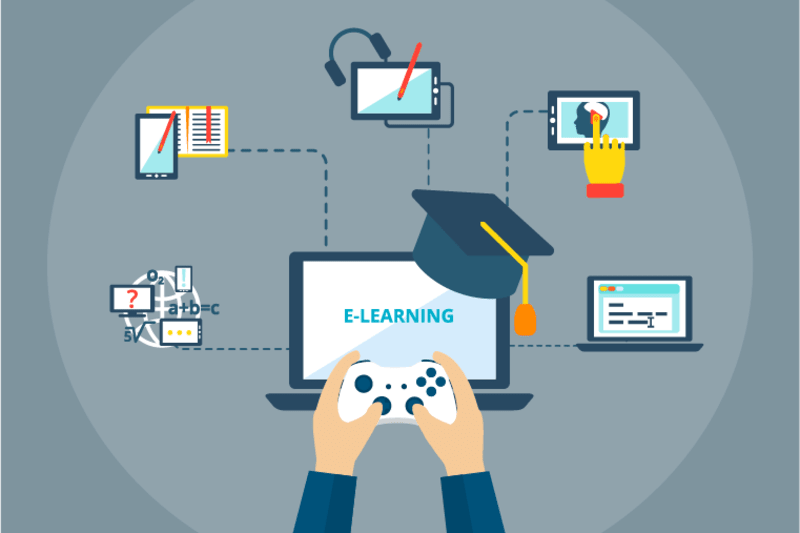

Are you looking to bring the joy and excitement of games into your child’s learning journey? Look no further than gamification! The fusion of education and play can be a game-changer in homeschooling. In this post, we’ll explore how implementing gamification in homeschooling can make all the difference in engagement and motivation. From turning boring lessons into exciting quests to unlocking achievements along the way, these tips will show you how to level up your homeschooling journey.
Let’s get started on this fun-filled adventure!
What is Gamification?
Have you ever wondered why some games just seem more addictive than others? Or maybe you’ve noticed that certain apps have features that make them extra fun to use. Well, my friend, that’s because they’re using something called “gamification” – which basically means taking elements from video games and applying them to real-life situations to boost engagement and motivation.
Whether it’s earning points, unlocking rewards, or competing against friends, gamification makes even the most mundane tasks feel like an adventure worth pursuing. And guess what? You can totally apply these principles to your own homeschool journey too!
Why Use Gamification in Homeschooling?
Gamification is like sprinkling a pinch of magic onto your regular educational activities. It involves incorporating elements from games into learning experiences, making them more engaging, interactive, and rewarding. Imagine turning lessons into quests, quizzes into challenges, and accomplishments into achievements – that’s gamification at its finest!
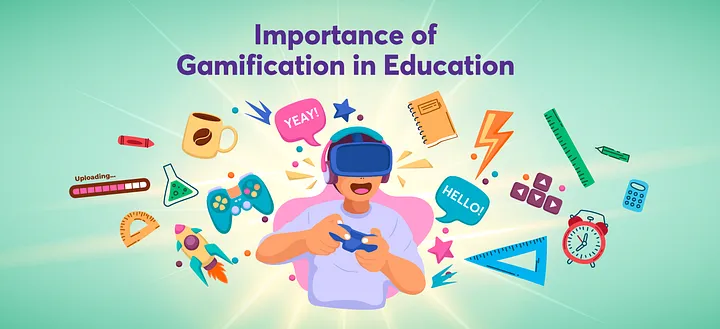
Here are some of the benefits of Gamification based on my Homeschooling experiences.
Keeps Learners Engaged:
As a Homeschooler Dad myself, I know first-hand how important it is to stay engaged and motivated throughout the learning process. But sometimes, textbooks and worksheets can feel pretty dry, right?
Enter Gamification in Homeschooling!
By incorporating gaming elements into your homeschool routine, you can turn ho-hum lessons into exciting quests and challenges that learners actually want to tackle head-on. Plus, by tracking progress and rewarding successes along the way, you create a sense of accomplishment that keeps kids coming back for more.
For example, in math, you can turn solving equations into a spaceship race where each correct answer propels the spaceship forward. The further they progress, the more confident and motivated they become.
Trust me, if you haven’t tried gamification in homeschooling yet, now’s the perfect time to give it a shot! Who knows, you might just discover a whole new love for learning together as a family, because one of the biggest challenges in homeschooling is maintaining children’s interest in learning. Gamification captivates young minds by presenting content in an exciting and interactive manner, making it easier for them to stay focused and enthusiastic.
Enhances Learning Retention:
If you’re anything like me, you probably find yourself (or your child) forgetting things faster than you can remember them. But did you know that adding a little bit of playfulness to your studies could actually help solidify those memories in your brain?
Yep, it’s true!
When you gamify your learning experiences, you’re essentially creating a mental association between the material and positive emotions like excitement and satisfaction. This helps strengthen neural pathways and makes recall easier down the road.
Not only that but by breaking down big concepts into smaller, manageable chunks and rewarding incremental progress, you’re setting yourself up for long-term success. So go ahead, try out a few gamified tricks, and see for yourself how much better retention feels!
For instance, in history lessons, create a virtual “Time Traveler’s Quest,” where students have to answer questions about historical events and characters to unlock the next era.
The immersive nature of gamification ensures that information sticks with learners for the long haul. When kids actively participate in challenges, simulations, and quizzes, they retain knowledge more effectively than through traditional rote learning.
Fosters a Growth Mindset:
 Did you know that having a growth mindset can make all the difference in achieving your goals? Well, it definitely applies to homeschooling too! By embracing a growth mindset, you believe that skills and abilities can be developed through effort and perseverance rather than innate talent alone.
And here’s where gamification in homeschooling can come in handy…
By introducing elements such as challenge, feedback, and self-directed goal-setting into your homeschooling journey, you encourage learners to approach obstacles as opportunities for growth rather than setbacks. What’s more, by recognizing and celebrating small wins along the way, you build confidence and resilience over time.
Consider a language learning game where students earn points for each correctly spelled word, but they can try again if they make a mistake without any penalties.
Gamification in Homeschooling surely encourages a growth mindset, where children see mistakes as opportunities to improve rather than failures. It promotes a positive learning environment, allowing learners to build resilience and confidence in their abilities.
Tailors Learning to Individual Pace:
We all learn differently and at varying speeds. Well, guess what? That’s exactly where gamification steps in to save the day! By integrating interactive elements into education, we create a flexible environment where each student can move through the material at their own speed.
This means no more boring lectures or tedious worksheets holding everyone back. Instead, learners can dive deep into subjects they find interesting and take breaks when needed. It’s like having your own personal trainer guiding you through every step of the learning process! Plus, with built-in feedback mechanisms, educators can track progress and adjust lessons accordingly.
For example, an educational app can adjust the difficulty level of math problems based on the child’s performance, providing a perfect balance of challenge and success.
Gamification in Homeschooling allows for personalized learning, and gamification takes it a step further. Through adaptive game mechanics, each student’s progress is tracked, enabling customized learning experiences that suit their strengths and weaknesses.
Boosts Self-Efficacy
Here, when I say self-efficacy, it refers to one’s belief in their ability to succeed at a particular task or accomplish a goal. Gamifying the learning process allows children to feel empowered and capable because they get immediate feedback and recognition for their efforts.
As they progress through levels or challenges, they gain confidence in their problem-solving skills and decision-making abilities. Moreover, gamification fosters a growth mindset by encouraging students to embrace mistakes as opportunities for improvement and to persevere through difficulties. By infusing playfulness and autonomy into homeschooling, we can nurture our children’s intrinsic motivation and resilience, setting them up for long-term academic success.
Imagine a math lesson focused on fractions. Instead of simply lecturing or assigning worksheets, the teacher creates a virtual fraction shop where students must manage inventory and calculate prices based on given recipes. Each successful transaction earns points and badges, which serve as rewards and acknowledgments of achievement. Students also collaborate in groups to solve complex problems or compete against each other in timed challenges.
Through this gamified approach, learners experience a sense of control and ownership over their learning journey. They enjoy making decisions, solving problems, and competing with friends – all within a safe and supportive environment. This fosters intrinsic motivation as they engage in tasks out of personal interest and satisfaction rather than external pressures like grades or praise. Additionally, the opportunity to practice and master new skills builds resilience and persistence when faced with future obstacles or setbacks. Overall, integrating playfulness and autonomy into homeschooling helps cultivate a positive attitude toward learning and strengthens the inner drive needed to overcome adversity.
Great; but… will I be able to handle it?
While Gamification in Homeschooling has many benefits, some parents might worry about the added responsibility of creating and managing game-based activities. However, incorporating gamification doesn’t necessarily need to add an extra burden on parents.
Here are some tips to alleviate any concerns:
- Choose simple games: Start by introducing basic games such as trivia quizzes or board games that require minimal setup and preparation time, and then gradually increase complexity.
- Utilize existing resources: Look for free or low-cost online resources or mobile apps that offer premade games aligned with specific topics or curriculums.
- Collaborate with peers: Join online communities or attend local meetups where parents share ideas, templates, and experiences related to homeschool gamification.
- Set clear expectations: Establish boundaries and responsibilities early on, ensuring children understand their role in maintaining the game-based learning environment.
- Embrace flexibility: Be open to modifying or abandoning certain aspects of the gamification plan if it becomes too overwhelming or unenjoyable for either parent or child.
Remember, the goal is to enhance the learning experience rather than add stress to already busy schedules.
Gamification in Homeschooling can prove to be a magnificent tool that brings an element of fun and excitement to homeschooling. By incorporating game mechanics into the learning process, we can keep young minds engaged, enhance their retention of knowledge, and foster a growth mindset. The benefits are immeasurable, from motivation and critical thinking to collaboration and time management.
As homeschooling parents, teachers, and educators, embracing gamification opens up endless possibilities to make learning an enjoyable adventure for our children. By taking small steps and staying organized, parents can successfully implement gamification techniques without feeling overwhelmed.
So, level up your homeschooling experience today and embark on this rewarding journey with gamification in homeschooling! Happy learning and gaming!
Good Reads
- Smiderle, R., Rigo, S.J., Marques, L.B. et al. The impact of gamification on students’ learning, engagement and behavior based on their personality traits. Smart Learn. Environ. 7, 3 (2020). https://doi.org/10.1186/s40561-019-0098-x
- J. Hamari, J. Koivisto and H. Sarsa, “Does Gamification Work? — A Literature Review of Empirical Studies on Gamification,” 2014 47th Hawaii International Conference on System Sciences, Waikoloa, HI, USA, 2014, pp. 3025-3034, doi: 10.1109/HICSS.2014.377.
