


Teaching children to manage their emotions is crucial for their social and personal development. Homeschooling provides a unique opportunity for parents to focus on this aspect of their education.
In this article, we’ll delve into seven effective strategies for teaching emotion management skills to homeschooling kids. By integrating these techniques into the homeschooling routine, you’ll not only enhance your child’s academic performance but also foster their emotional intelligence and well-being.
Why Emotion Management is Crucial for Homeschooling Kids
Homeschooling provides a unique educational experience, where children learn in the comfort and familiarity of their own homes. However, the absence of a traditional classroom environment can sometimes make it challenging for children to develop essential social and emotional skills.
Good emotion management teaches kids how to express their needs and desires constructively by balancing assertiveness with compassion. Thus, well-developed emotion management skills significantly increase chances of overall progress towards success in different areas – academics, workforce readiness, and social & relational abilities thus improving lifelong happiness quotient. Furthermore, effective parental support during this learning journey translates into positive behavioral changes and contributes positively to a healthy family dynamic.
Here are some tricks and techniques that we used in our homeschooling journey.
Identify and Label: The Foundation of Emotion Control
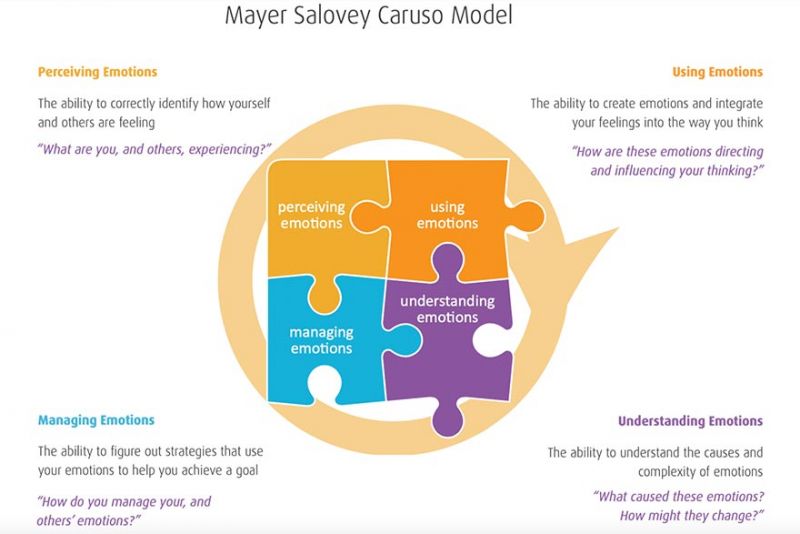
The first step in teaching emotion management is helping children identify and label their emotions. For example, you can use visual aids such as emotion charts or pictures to prompt discussions. When reading a story, ask your child to identify the emotions characters might be feeling. By recognizing and naming various emotions, children develop an emotional vocabulary and enhance their communication skills.
Try This: Display an emotion chart in your homeschooling area with various faces depicting different emotions. When discussing a book or a personal experience, ask your child to identify and label the emotions characters or people might be feeling. For instance, you could say, “How do you think the character felt when they won the race?” This exercise helps children develop emotional awareness and vocabulary.
Creating a Safe and Supportive Environment for Emotional Growth
A nurturing environment plays a vital role in supporting children’s emotional growth. Create a safe space where children feel comfortable expressing their emotions without fear of judgment. For instance, when your child is upset or angry, provide a calm and non-judgmental space for them to share their feelings. By actively listening and validating their emotions, you build trust and foster emotional growth.
Modeling Positive Emotional Responses for Effective Learning
Children learn by observing their role models, so it’s crucial for parents and educators to model healthy emotional responses. When faced with challenges or setbacks, demonstrate effective coping strategies. For example, if you make a mistake, acknowledge it, remain calm, and show resilience by finding a solution. By witnessing positive emotional responses, children learn to manage their own emotions and handle difficult situations constructively.
Problem-Solving Skills: Navigating Challenges with Emotional Intelligence
Teaching problem-solving skills is essential for homeschooling kids to handle difficult situations effectively. Encourage children to use their emotional intelligence when facing challenges. For example, if your child encounters a difficult math problem, guide them through the process while incorporating emotional intelligence. Encourage deep breathing and positive self-talk to manage frustration and help them approach the problem with a clear and focused mind.
Try This: If your child encounters a challenging math problem, guide them through the process of problem-solving while incorporating emotional intelligence. Encourage them to take a deep breath, break the problem into smaller steps, and consider different strategies. Remind them that it’s okay to feel frustrated, but they can use their emotions as a motivation to find a solution.
Cultivating Empathy: Understanding Others’ Emotions
Empathy is a crucial social and emotional skill that fosters healthy relationships and effective communication. Engage children in discussions about different perspectives and encourage them to consider how their actions might impact others. For example, when watching a movie or reading a book, discuss the emotions the characters are experiencing and how they might feel in similar situations. Engaging in activities that promote empathy helps children develop a deeper understanding of others’ emotions.
Encouraging Emotional Expression: A Creative Outlet for Self-Discovery
Provide children with various outlets to express their emotions. Encourage them to talk about their feelings, write in a journal, draw, or engage in physical activities. For instance, if your child is feeling overwhelmed, suggest they write in a journal to express their emotions or create artwork that represents how they feel. This creative outlet allows children to explore and understand their emotions, fostering self-discovery and emotional growth.
Try This: Provide your child with a journal where they can write or draw their emotions. Encourage them to express how they feel about different situations or experiences. If they’re finding it difficult to express their emotions verbally, they can use the journal as a private space for self-reflection and exploration. This creative outlet allows them to gain insights into their own emotions and promotes self-discovery.
Relaxation Techniques: Unwinding Stress and Building Resilience
Teach children relaxation techniques to help them manage intense emotions and reduce stress. For example, teach them a simple deep breathing exercise. Have them sit comfortably, close their eyes, and take slow, deep breaths in and out. Practice this exercise together whenever they feel overwhelmed or need a moment to calm down. Over time, deep breathing becomes a valuable tool for relaxation and emotional regulation.
Common, LET’S GET STARTED…
Emotion management skills are essential for lifelong success and well-being. By emphasizing emotional intelligence, homeschooling parents and educators equip children with the tools to navigate their emotions, build healthy relationships, and thrive in various aspects of their lives.
Try This: Teach your child a simple deep breathing exercise. Have them sit comfortably, close their eyes, and take a slow, deep breath in through their nose, counting to four. Then, have them exhale slowly through their mouth, counting to four again. Practice this exercise together whenever they feel overwhelmed or need a moment to calm down. Over time, deep breathing becomes a valuable tool for relaxation and emotional regulation.
Teaching emotion management to homeschooling children is an investment in their emotional well-being and overall development. By implementing the seven powerful techniques discussed in this article—identifying and labeling emotions, creating a supportive environment, modeling positive responses, teaching problem-solving skills, cultivating empathy, encouraging emotional expression, and teaching relaxation techniques—you can empower children with the tools they need to navigate their emotions effectively. As parents and educators, we play a crucial role in nurturing their emotional growth and helping them flourish academically and personally.
Good Reads:
- Shivakumar, S. (2022). The Art of Management: Managing Yourself, Managing Your Team, Managing Your Business. Portfolio.
- Goleman, D. (2005). Emotional Intelligence: Why It Can Matter More Than IQ. Bantam.
