


What is Mindfulness?
Mindfulness means being completely present and focused on the current moment without worrying too much about past events or future concerns.
Imagine you’re playing with your favorite toy, every time you pick it up you think about how happy you were last weekend when you got it. This thought distracts you from fully enjoying the game you’re currently playing because part of your brain is still stuck in the memory of getting the toy. Being mindful allows you to push away those thoughts so you can enjoy the here and now while you play with the toy today.
Kids experience plenty of thoughts like this throughout their day — especially before big tests or after disagreements with friends — these thoughts make focusing hard which affects grades and relationships. When they’re young though we don’t expect kids to manage all their feelings alone; instead our job as adults is to guide and support them through life so they gradually learn how to handle challenges by themselves. One great technique that helps kids (and grownups) cope better is mindfulness — something that anyone can practice anytime and anywhere once learned.
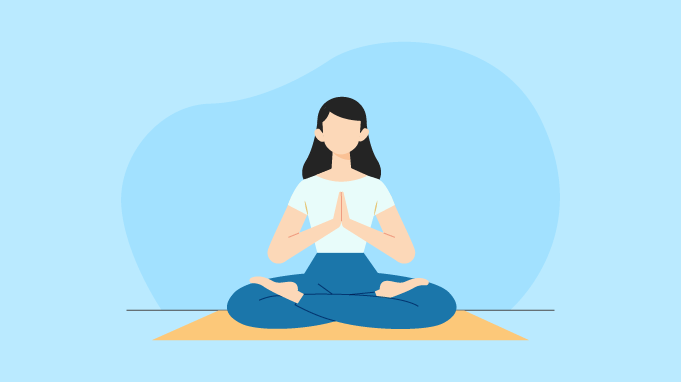
Is Mindfulness really effective?
Homeschooling Parents have found kids who exercise mindfulness concentrate longer during lessons, sit still more easily during story times, take constructive criticism better (which makes learning feel easier), interact kindly with others, and generally seem happier regardless of problems going on outside their study routine. So even though mindfulness starts with self-goals to improve focus for things kids care deeply about – healthy study mindset & friendships – eventually this attitude spreads outward allowing them to become more considerate of others and tackle difficult topics like bullying, peer pressure, social exclusion, etc. They naturally adopt positive values over harmful ones simply because practicing calmness regularly makes them strong enough to choose peaceful solutions.
Remember, mindfulness isn’t about getting rid of thoughts or emotions. It’s about accepting and observing them without judgment.
By teaching mindfulness techniques to children during homeschooling, we give them important skills to navigate their emotions, concentrate better, and find a sense of well-being in their daily lives. Therefore we should start early by teaching simple exercises that strengthen mindful awareness: just taking deep breaths, closing our eyes in quiet darkness listening to sounds around us, and briefly meditating before bedtime (or whenever facing chaos).
Overall mindfulness is not some magical power only gifted special adults possess; rather a normal habit everyone can master w/ guidance that grows into excellent character traits later in life. Just like brushing teeth prevents cavities so regular mindful moments protect against unnecessary struggles.
Good Reads:
- García, H., & Miralles, F. (2017). Ikigai: The Japanese Secret to a Long and Happy Life. Hutchinson.
- Hanh, T. N. (2021). The Miracle of Mindfulness: The Classic Guide to Meditation by the World’s Most Revered Master. Rider.

One Response